In terms of efficiency, the FORMULA 1 QATAR AIRWAYS AUSTRALIAN GRAND PRIX 2026 Medical Team is in a league of its own.
Consisting of doctors, paramedics and nurses, the medical team is first on the scene in the event of an incident, providing crucial assistance to drivers in the immediate moments following a crash.
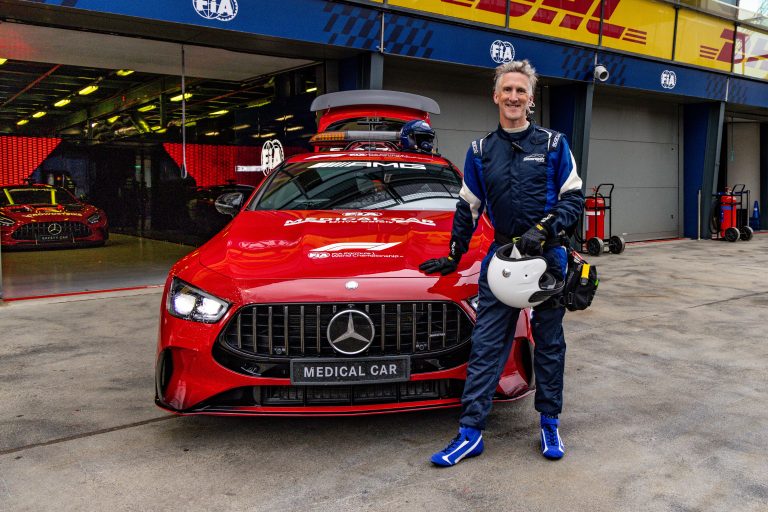
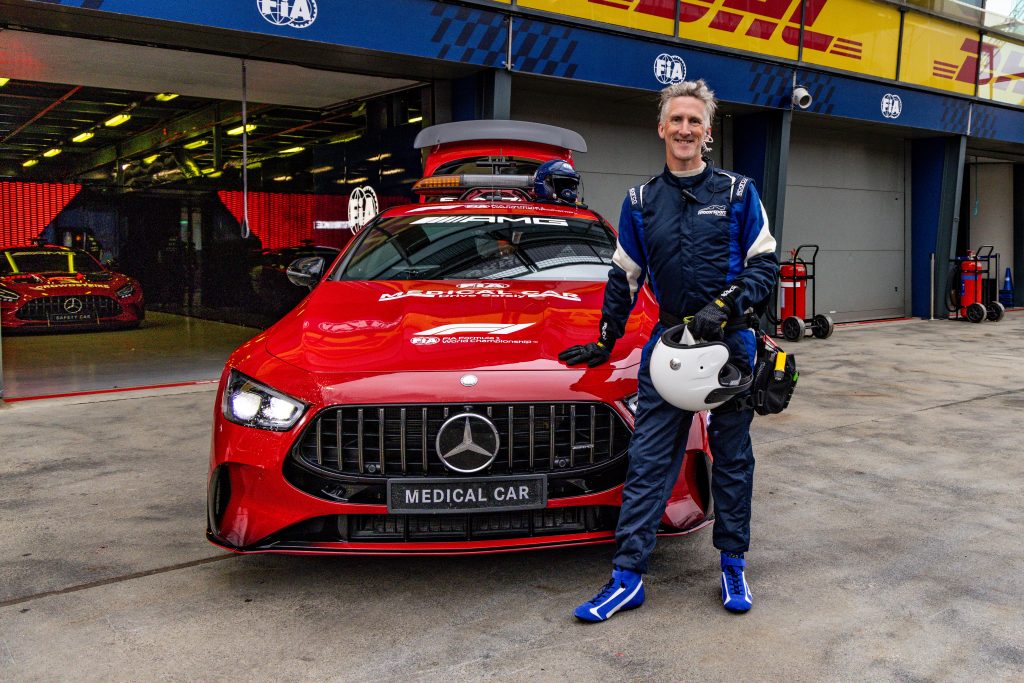
The medical team is also made up of passionate motorsport fans, who enjoy giving up four days of their lives to attend the Australian Grand Prix – including Medical Car Doctor Dr Matthew MacPartlin.
An Irish national and permanent Australian resident, MacPartlin is the local doctor on hand in the medical car to administer clinical help if required in any on track incident.
“As per the regulations, a locally accredited doctor must be the one to administer any first aid, should it be required,” MacPartlin said.
“It’s a critical role in a sport where automotive technology continues to push the boundaries in terms of performance. While the sport is beautiful when it is going according to plan, if something goes wrong at the speeds it does, it can go quite wrong.
“So for the medical team, we take our roles extremely serious as what we do is extremely important.”
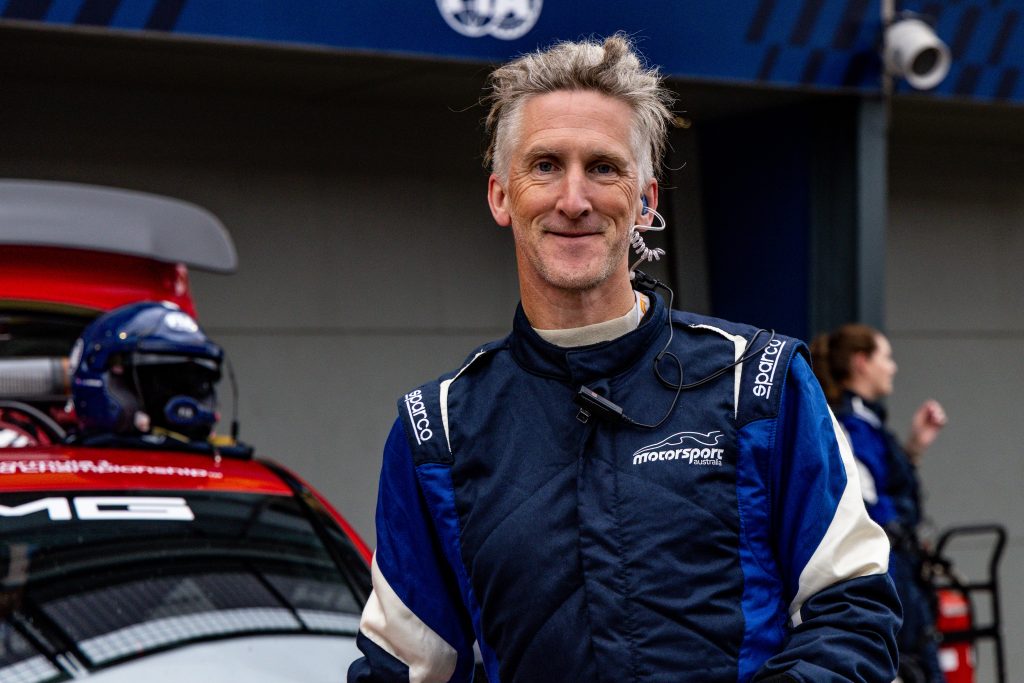
Reporting to current Chief Medical Officer Dr Brent May, MacPartlin’s motorsport journey is quite unique. Originally hailing from Ireland, Matthew had no experience in motorsport prior to his medical studies.
Spending time gaining medical experience overseas in Malaysia, MacPartlin was asked to attend a rally at a rubber plantation.
While he was not required to do any medical work at the event, it lit a fire under his belly which resulted in him turning his attention to being part of a circuit racing medical team back home in Ireland before meeting his wife down the track in Australia.
The ongoing growth of the Australian Grand Prix has been a welcome sight for Matthew, seeing the flow-on affect of that growth extend to the medical team.
“I met my now-wife here in Australia and started attending the Australian Grand Prix, first as a spectator, and then later on as part of the medical team in the early 2000s,” MacPartlin added.
“Over the years at the Australian Grand Prix, it has gradually become more professionalised, and to see that take place while personally having had some impact in driving some of that is a good feeling.
“Like any role in motorsport, there’s peaks and troughs in my role, but as long as the peaks outweigh the troughs, that is a win in my books.”