

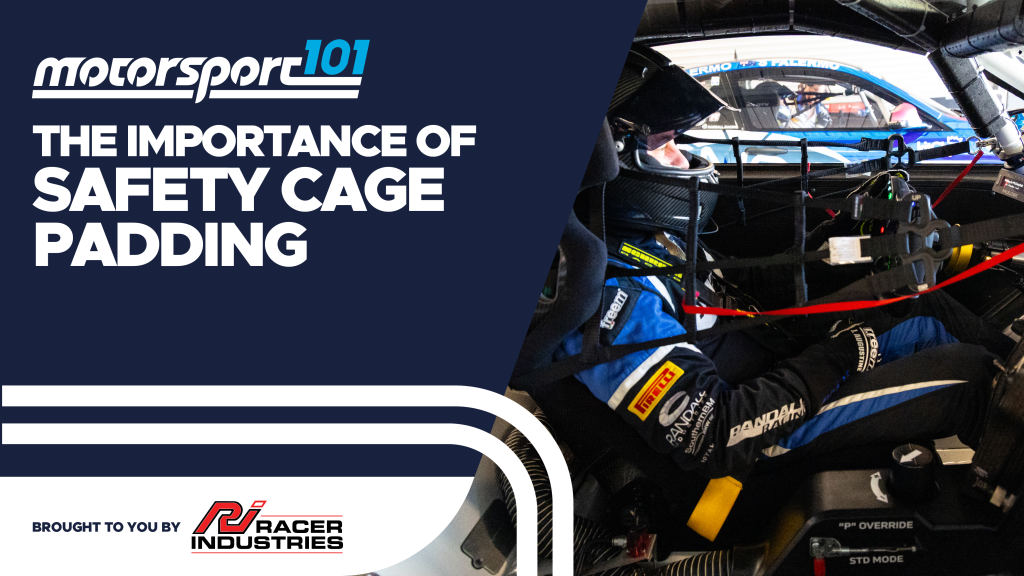
Safety cages are an essential part of a motorsport safety, but installation itself is just the beginning.
The fitment of safety cage padding is also essential. To increase a driver’s level of safety, Motorsport Australia’s Technical Appendix explains that all vehicles shall also have padding fitted to the cage before a car can go out on track or course.
As the name suggests, a safety cage is made up of a hard metal steel. Because of this, all precautions should be followed in providing ample safety measures to the driver’s head, regardless of the fact a driver is wearing a helmet while competing.
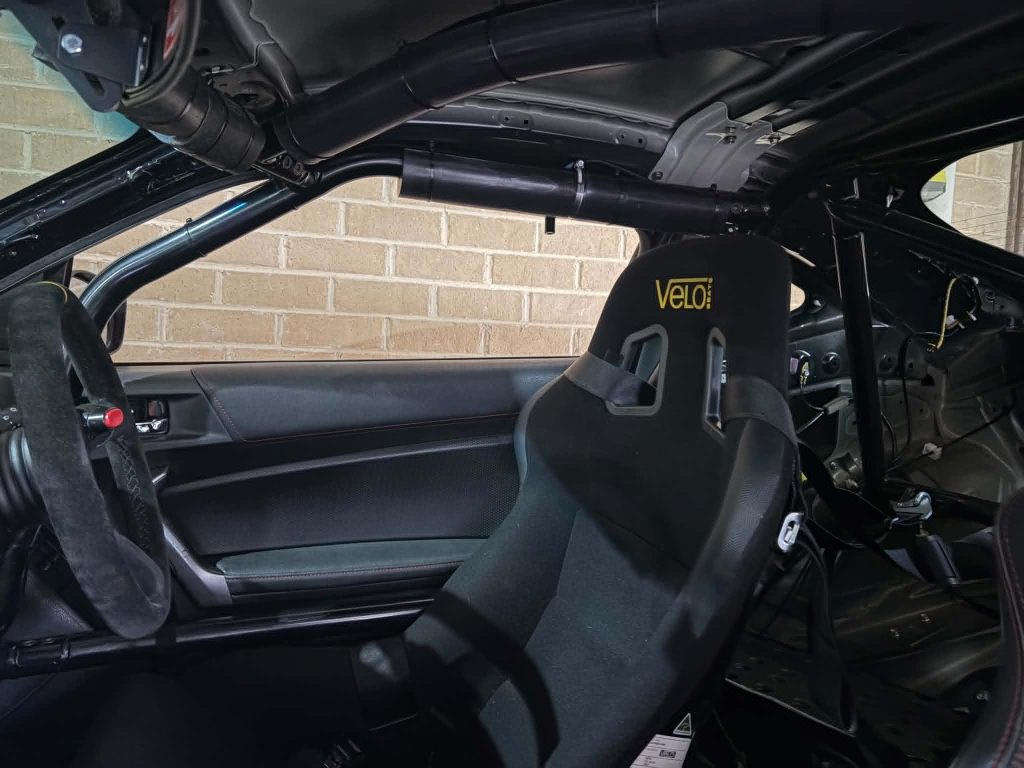
Schedule J of the appendix outlines the requirements for safety cage installations, including that safety padding shall be installed to all areas of the safety cage structure where the helmet of an occupant could come into contact with the structure and/or any safety cage bar that is directly above or to the side of the helmet of an occupant.
Motorsport Australia will take into consideration the practicalities of movement in and around safety cage padding and a driver’s ability to safely drive the car.
In instances where protective padding can be clearly shown to impede driver movement and safe vehicle control, the Chief Scrutineer has the discretion to permit its removal in the specific area of concern.
Safety cage padding, as described above, it not solely focused on protecting a driver’s head.
The principle of where safety cage padding should be located applies to a driver’s body as well. The appendix further states padding shall be fitted to the safety cage ‘where the body of an occupant could come into contact with the safety cage’.
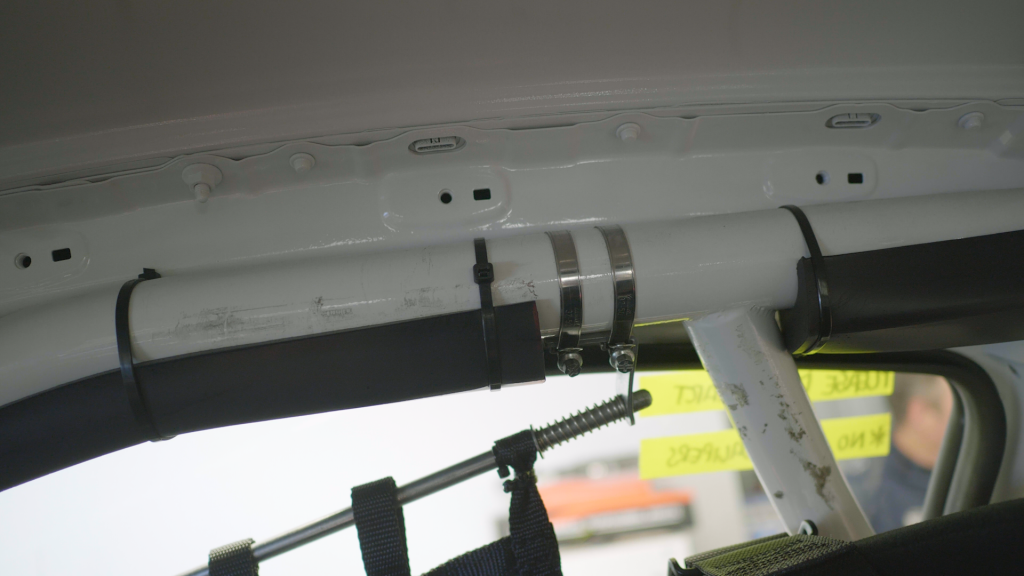
Further, Motorsport Australia and the Fédération Internationale de l’Automobile (FIA) require flame retardant padding is fitted to a car’s safety cage to resist ignition and flame spread, providing additional protection in the event of a fire.
The padding’s material also reduces the production of toxic smoke and molten material compared with non-fire-rated foams.
Most modern motorsport cage padding is made from high-density energy-absorbing foam to be able to compress in a controlled manner during an impact to absorb energy.
It is also important that it recovers its shape after minor impacts and vibration, as well as remaining lightweight so it does not add unnecessary weight to the vehicle.
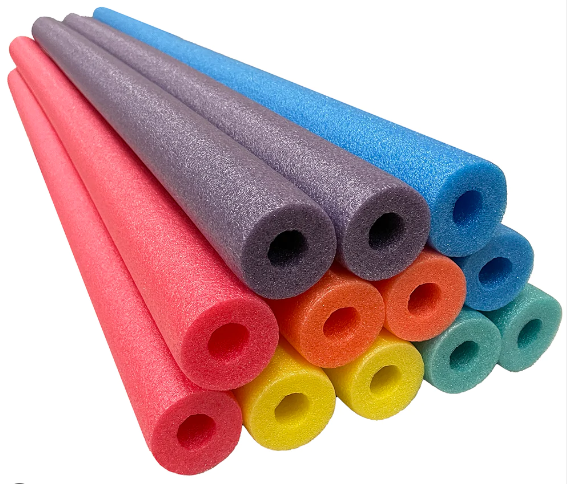
A pool noodle is an example of padding that is not up-to-standard due its softness and lack of ability to absorb energy.
The below padding options are approved for use:
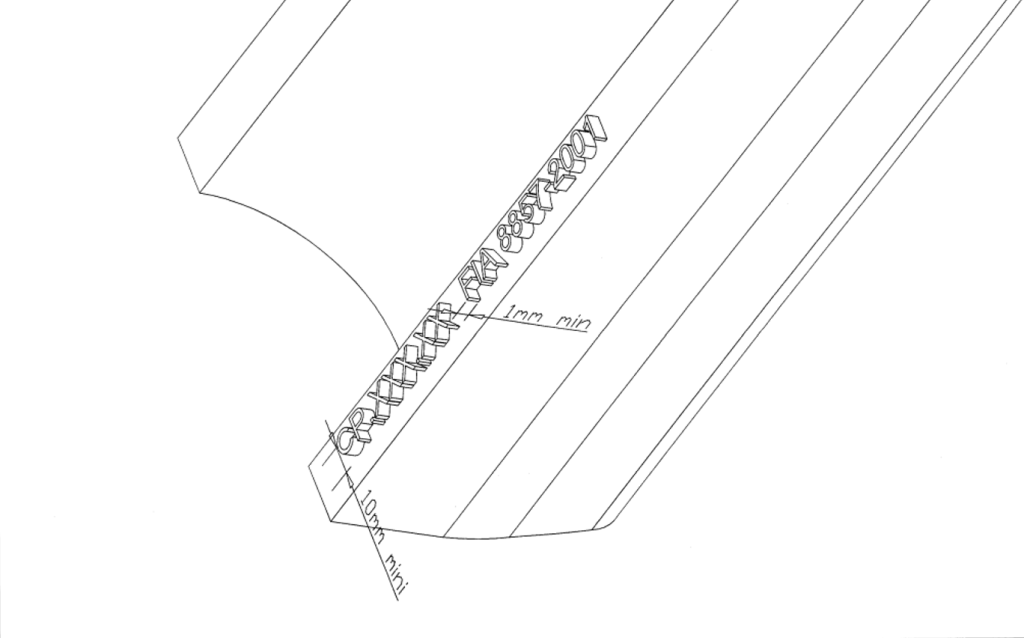
- For International Competition and below, FIA standard 8857-2001, type A (see FIA Technical List No 23 Roll Cage Padding Homologated by the FIA);
- OR for National Competition and lower, SFI specification 45.1. For each 1st Category Automobile, the use of SFI specification 45.2 for the head rest is permitted.
Safety cage padding should be inspected regularly and replaced whenever its protective or fire-retardant properties may have been compromised.
For more information on Motorsport Australia’s safety cage and safety cage padding requirements, refer to Technical Appendix (Schedule J).
What is safety cage padding?
A device or structure which may be fitted to the safety cage, in locations that may be impacted by the driver’s body during an accident. The device is designed to absorb a proportion of the kinetic energy, thereby reducing the potential for injury.
Why use safety cage Padding?
When a safety cage is fitted with padding, impact protection can be substantially improved. However, in order to provide an effective solution, the padding must have an appropriate stiffness, energy absorbing capacity and temperature stability.
How to tell if you have compliant safety cage padding?
Marking must consist of the following elements:
- the homologation number accorded by the FIA of type “CP.XXX.XX”
- the name of the standard under which the homologation was accorded
- the name of the manufacturer to which the homologation was accorded
Click here for more on the FIA’s Safety Cage Padding Standard publicly available.